Get Oregon's premier chimney cleaning and repair team with CSIA/NFI-certified technicians and CCB-licensed contracting. We adhere to NFPA 211 and Oregon code, verify inspections with detailed visual and technical analysis, and deliver code-cited reports. You'll get HEPA-contained sweeping, level-appropriate creosote elimination, chimney liner enhancements, complete crown and flashing services, moisture protection, and historic-safe repointing. We implement caps, spark arrestors, CO alarms, and ventilation improvements, then arrange preventive maintenance. Continue for scope, options, and timelines.
Key Takeaways
- CSIA/NFI-certified and Oregon CCB-licensed professionals deliver comprehensive repairs and inspections that comply with NFPA 211 standards, including complete documentation with photographic evidence.
- Comprehensive diagnostics: Level II-III camera analysis, thermal imaging, smoke verification, and manometer draft readings for precise, code-cited findings.
- In-depth cleaning service with controlled HEPA containment, suitable methods for creosote removal, and post-service particle testing.
- Expert masonry services: offering crown installation and care, protective flashing, comprehensive waterproofing, traditional lime mortar restoration, and preventive leak monitoring to safeguard both historic and contemporary buildings.
- Comprehensive safety and upkeep solutions: including safety-rated liners, chimney caps, CO/heat alarms, EPA-certified heating equipment, yearly maintenance sweeps, and preferred scheduling options.
Certified Technicians and Training Standards
Given that chimney maintenance directly affects building safety and structural integrity, certified technicians in Oregon comply with nationally recognized credentials and documented training pathways. Make sure to check current certification with the Chimney Safety Institute of America or National Fireplace Institute, along with Oregon CCB licensing for contractual work. Reputable firms connect you to technicians who have fulfilled approved apprenticeship programs, OSHA-10/30 safety, and product-specific training for chimney components and heating systems.
You'll receive documented protocols that reference NFPA 211 and IRC/IMC requirements. Our specialists conduct precise instrument calibration, record all measurements, and maintain thorough documentation as per industry standards. They maintain complete chain-of-custody for photos and reports, and participate in regular testing, including regulatory changes and combustion-safety certification. We provide clear documentation of service parameters, risk evaluations, and approved solution alternatives with complete parts traceability. This thorough training ensures consistent quality, site protection, and durable outcomes.
Comprehensive Chimney Assessment and Analysis
While basic inspections identify surface problems, advanced chimney evaluations in Oregon follow NFPA 211 Level II-III standards using advanced tools. You receive a methodical evaluation that extends beyond visual examination. We utilize high-resolution video scoping to evaluate liner condition, transitions, and hidden damage from firebox to termination. Heat detection equipment identifies heat patterns showing gaps, failed insulation barriers, or combustibles too near the chimney. Targeted smoke testing confirms proper draft, locates breaches at fitting intersections, crowns, and transitions, and verifies appliance connectivity.
We examine clearances-to-combustibles, chase construction, seismic bracing, and termination heights according to Oregon regulations and manufacturer guidelines. You'll receive a detailed report with photos including defect ratings, priority assignments, and correction methods. This approach reduces fire risk, mitigates carbon monoxide migration, and supports compliant repair planning ahead of the heating period.
Environmental Cleaning Solutions and Creosote Elimination
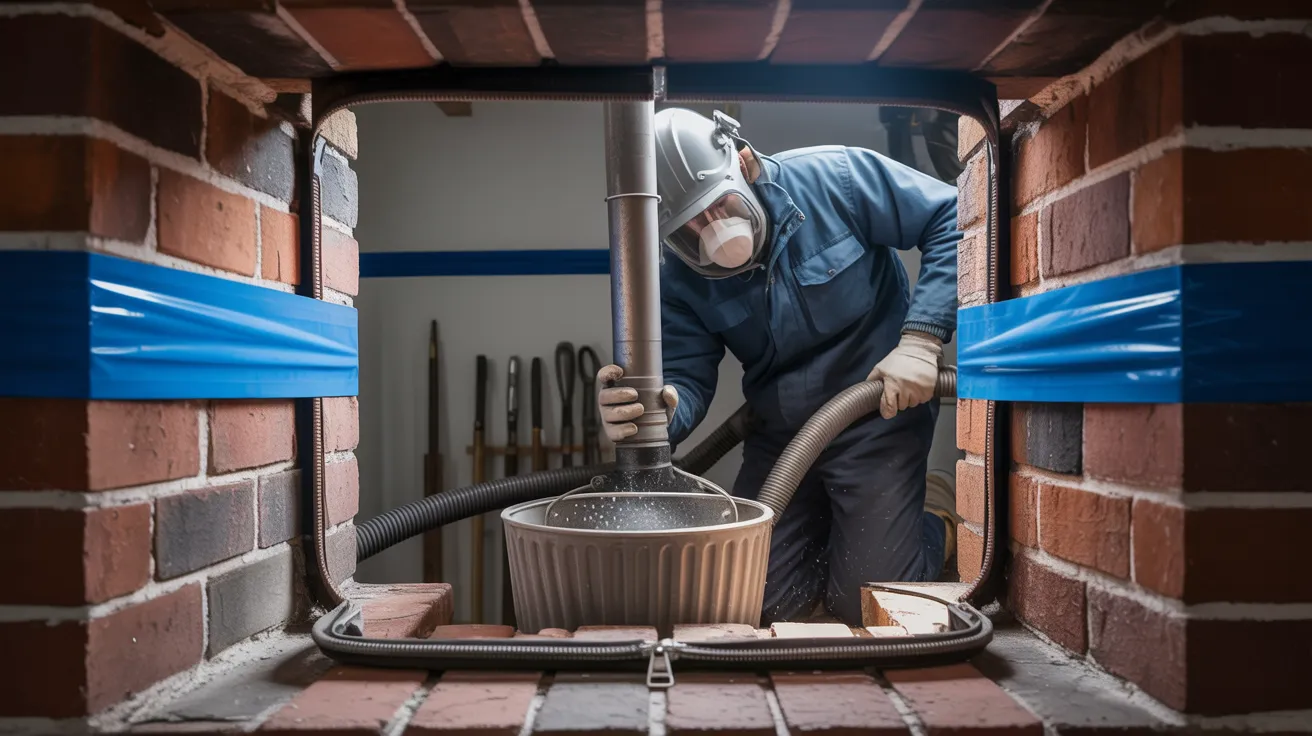
As we emphasize indoor air quality and environmental safety, we use low-toxicity, PH-neutral cleaning products and HEPA-controlled, negative-pressure containment to trap soot and particulates at the source. You are provided with a sealed work zone, adhering to NFPA 211 best practices, that safeguards living spaces and HVAC systems.
In treating creosote deposits, we align the cleaning technique to the level of buildup. We utilize natural solvents for Stage 1-2 deposits to dissolve tars, then remove with non-aggressive cleaning tools that protect flue tiles or stainless liners. For resistant buildup, we employ controlled mechanical cleaning and controlled abrasion within manufacturer tolerances, confirming draft and clearances read more after each pass. We package and mark waste for proper disposal and document results with detailed images, performance data, and air quality measurements.
Masonry Restoration, Repointing, and Crown Repair
Small masonry problems can channel water into the chimney assembly, so we detect masonry problems early and correct them to code. We assess the crown, joints, and brickwork for deterioration, mineral deposits, gaps, and settling. You'll get a comprehensive outline that outlines compatible materials and sequencing.
We eliminate deteriorated joints to create a uniform depth, restore the arrises, and reconstruct using suitable lime mortar or engineered mixes matched to the original masonry. Our tuckpointing processes produce dense, weather-tight joints with proper tooling profiles to channel water. We repair damaged units, reinstall loose caps, and install stainless anchors when necessary.
For crowns, we remove failing mortar, rebuild with strengthened, fiber-enhanced mortar, create appropriate drainage angles and water barriers, and protect openings-stopping water intrusion and frost deterioration.
A Guide to Chimney Liners, Relining Options, and Draft Performance
It's important to determine which type of liner matches your appliance and fuel type - including clay tile, stainless steel, or cast-in-place to comply with NFPA 211 and Oregon Mechanical Specialty Code. We will assess liner options considering heat tolerance, durability, dimensional adaptability, and UL listings to align with oil, wood, or gas systems. We will then improve draft performance by implementing appropriate liner dimensions, flue proportions, insulation, and proper connections to prevent CO risks, condensation, and backdrafts.
Understanding Chimney Liner Varieties
Chimney liners function as specially designed conduits that control flue gases, safeguard masonry from acids and heat, and stabilize draft to satisfy Oregon Mechanical Specialty Code and NFPA 211 requirements. There are three principal types: clay tile, metal, and cast-in-place. Clay tile is suitable for many open fireplaces but needs intact joints and limited offsets; it isn't suitable for most modern appliances. Metal liners-typically stainless-offer excellent corrosion resistance, adaptable installation, and exact dimensions for draft optimization. Make sure to verify insulation compatibility to maintain required clearances and flue gas temperatures. Cast-in-place systems reinforce older stacks, improve smoothness, and minimize leakage.
Select a vent liner depending on fuel specifications, BTU requirements, connection dimensions, vertical height, and external conditions. Comply with manufacturer-specified installation methods, ensure proper termination connections, and install specified insulation materials where needed. Make certain to document proper sizing documentation and approval records.
Relining Material Types Compared
Begin with what the relining must achieve: contain condensates and combustion byproducts, preserve code-required clearances and temperatures, and provide consistent draft appropriate for the appliance. You'll evaluate materials by fuel type, conditions, and code listing. Flexible stainless steel liners (304/316/AL29-4C) handle wood, oil, and high-sulfur gas; opt for stainless upgrades when creosote, moisture, or past chimney fires are concerns. Rigid stainless enhances durability where straight runs permit. Cast-in-place systems provide structural stabilization and better thermal mass, but require verified crown and cap protection. Clay tile replacement is ideal for new construction, not most retrofits. Emerging chimney polymers are light and corrosion-resistant for certain low-temp gas appliances, but confirm UL/ULC listings and temperature ratings. Remember to insulate to meet NFPA 211 clearances and manufacturer UL 1777 requirements.
Optimizing Draft Results
Fine-tune draft by coordinating the liner specifications to the appliance and venting profile, then adjusting vertical rise and outlet position for stable negative pressure. This ensures consistent flow when your liner diameter matches the appliance outlet and the vent remains smooth, warm, and dry setup.
Pick appropriate stainless steel alloys based on fuel type, apply wrap or pour-in insulation for maintaining flue gas temperature, and seal all joints to be gas-tight. Verify chimney height as per NFPA 211 and Oregon code, ensuring clearance from roof obstructions and fitting listed caps or weather-resistant terminals.
Carry out ventilation system balancing through the HVAC system and combustion air setup to minimize depressurization. Apply smoke tests and manometer readings to confirm draft, check for leakage, and optimize. If deficits persist, look into flue relining, system resizing, or implementing a draft inducer.
Professional Leak Detection and Waterproofing Solutions
Be vigilant for initial leak indicators, including ceiling discoloration around the chimney area, efflorescence on masonry surfaces, and corrosion of the damper or firebox. We implement regulation-meeting waterproofing techniques: crown repair using bonded cement or crown coat, installation of new step and counter-flashing, chimney cap fitting, and moisture-resistant masonry treatments. To maintain durable weather protection in Oregon's rainy weather, it's important to arrange regular inspections, maintain mortar joints and caps, and keep gutters clear to prevent water infiltration.
Key Indicators of Potential Leaks
How can you identify water infiltration in your chimney before it affects critical components and finished surfaces? Start with a thorough systematic inspection. Search for water-related issues: white mineral deposits on brickwork, discolored mortar, spalling brick faces, rust stains on metal chimney components. Inside the home, watch for moisture-related scents, paint deterioration around the chimney area, expanding drywall joints, and floor damage near the fireplace.
Start at the roofline upward, scan the crown for hairline cracks, damaged caulk around the counter-flashing, and spaces where flashing connects with shingles. Inspect the cap for broken screens that let in wind-driven rain. In the firebox, look for flaky creosote blended with rust-an indicator of moisture. Document findings, capture images of locations, and plan a Level 2 inspection if framework or liners show distress.
Reliable Waterproofing Strategies
Building a watertight chimney starts with thorough leak detection, then pairs specific repairs with standard-meeting weatherproofing. Work starts by following moisture to its origin: crown cracks, cap defects, hairline mortar cracks, porous brick, or flashing faults. Use dye tests and moisture meters to identify pathways. Subsequently, complete repairs that comply with Oregon code: repoint deteriorated joints, refinish crowns with fiber-reinforced cementitious coatings, and fit a appropriately sized, corrosion-resistant cap.
At roof junction points, perform seam sealing using temperature-resistant, UV-stable elastomeric compounds and reposition flashing components to manufacturer specifications. Protect masonry by applying vapor-permeable, silane/siloxane breathable coatings that deflect moisture while enabling trapped moisture to evaporate, stopping spalling. Lastly, install diverter crickets on large chimney structures, check correct drip edge placement, and ensure clear, weather-stripped thimble penetrations for airtight, safe venting.
Long-Term Weatherproof Maintenance
Although repairs fix current leaks, long-term weatherproof performance relies on a scheduled maintenance plan that documents conditions and confirms moisture management. You'll determine inspection intervals based on weather patterns and seasonal changes, capture photos, and monitor moisture levels at the fire chamber, flue chamber, crown, and attic structure.
Prioritize identifying water leaks. Check roofing components and flashing elements using systematic hose testing, beginning low and progressing upward. Carefully examine structural joints and protective covers for deterioration like rust, white deposits, and fractures. Make sure weep holes remain unobstructed.
Implement water-resistant masonry coatings according to manufacturer specifications and ASTM guidelines. Install elastomeric crown sealing systems with fiber reinforcement; secure displaced roof flashing per regulations, then form sealant to ensure water runoff. Include gutter system upkeep: clear debris, confirm downspout discharge, and adjust incorrect grading. Record repairs and inspect following severe weather.
Historic Home Expertise Across Oregon's Diverse Climates
When you own a historic property in Oregon-from damp coastal Victorians to high-desert Craftsman bungalows-you need chimney maintenance tailored to building age, construction materials, and local climate. We document historic stonework, flue liners, and fireboxes, then recommend interventions that honor Historic preservation while adhering to current performance standards. You'll receive mortar analysis, lime-compatible repointing, and brick matching that protects structural integrity and moisture management.
In addressing climate adaptation needs, we carefully adjust solutions for salt-laden marine air, freeze-thaw cycles in the Cascades, and extreme temperature variations east of the mountains. We perform detailed assessments with manometer readings to check draft, conduct video-based examination of terra-cotta components, and evaluate flashing and crown connections to block capillary water entry. Our proposed solutions focus on non-destructive methods, preservation of original materials, and compatible protective coatings, guaranteeing durability while respecting historical significance.
Safety Improvements, Compliance Requirements, and Ongoing Maintenance
Honoring heritage construction doesn't conflict with modern safety measures; it provides the framework for safe, code-compliant operations. You'll get NFPA 211-compliant inspections that confirm clearances to combustibles, correct liner specifications, and termination height according to IRC/IMC. We upgrade deteriorated terracotta using UL-listed stainless systems, add insulated liners for better efficiency, and mount protective caps, spark protection, and screening to prevent wildlife access and ember escape.
We create child-safe zones with hearth gates and non-tip screens, install CO and heat detectors, and ensure make-up air for tight envelopes. We upgrade appliances with enclosed-combustion units, direct-vent gas units, and EPA-certified wood stoves, calibrated to chimney capacity and airflow. We repair crown cracks, waterproof masonry, and maintain dampers, ensuring stable draft, reduced creosote, and verifiable compliance documented in your report.
Service Plans, Scheduling, and Seasonal Readiness
Book your pre-season maintenance and sweeping early to meet NFPA 211 and manufacturer guidelines. This enables us to check draft performance during seasonal transitions and complete any necessary repairs before the heating season starts. Early scheduling prevents scheduling delays, ensures replacement parts are available, and allows proper coordination of roof access, weather conditions, and fuel updates.
We'll assess your appliance type, fuel, vent height, and liner to map out a specific service cadence: Level I or II inspection, sweep, smoke chamber evaluation, and CO/combustion air checks. Our service packages combine annual inspection, sweep, cap/flashings review, along with thorough documentation and component updates, providing priority scheduling and repair allowances.
Book preseason appointments for masonry repointing, crown resurfacing, and waterproofing, while saving mid-season openings for rapid inspection services. We'll carefully document any deficiencies, provide code-referenced reports, and promptly schedule corrective work.
Common Questions
Can You Provide Emergency Chimney Services After Storms or Fire Damage?
Our team offers emergency chimney services in storm and fire emergency situations. Our first step involves rapid assessment, stabilizing the area, isolating utilities, and protecting against structural failure and gas leaks. We evaluate the entire chimney structure based on safety protocols, document damage, and install emergency weather barriers. We'll provide a detailed rehabilitation strategy with detailed specifications and project timeline. We collaborate with your insurance and city officials to facilitate prompt and safe building use.
Can You Work With Insurance on Chimney Damage Claims?
Indeed. You receive complete insurance support from initial review until settlement. We document the damage with NFPA 211-aligned inspections, photos, and code-compliant repair specifications. We provide detailed estimates, offer claim support, and work with your adjuster to verify causation, scope, and materials. You approve all work orders. We prioritize safety, address hazards, and secure the structure before repairs. You receive clear timelines, cost analysis, and compliance certificates to simplify your chimney damage claim.
Which Oregon Regions and Communities Do You Cover?
Looking for where we serve? We cover Portland neighborhoods and across the Willamette Valley, plus rural regions from coastal foothills to Cascade communities. Picture hearths as lighthouses; we maintain their integrity. We travel from St. Johns to Sellwood, Alberta to Lents, plus Salem, McMinnville, Corvallis, and nearby communities. You get NFPA 211-compliant inspections, OSHA-safe installations, and code-correct repairs, including remote areas. We thoroughly document clearances, draft, liners, and masonry to ensure your fire safety.
Do You Install or Service Wood Stoves, Inserts, and Gas Fireplaces?
Our team install and service heating appliances including wood stoves and gas fireplaces. We ensure NFPA-211 compliant installations, proper venting, clearances, and draft optimization. For Wood stove maintenance, we perform flue cleaning, inspect baffles, gaskets, and chimney liners, and confirm adequate protection measures. For Gas fireplace inspections, our team checks gas pressure levels, inspect fittings for leaks, check combustion air flow, verify proper ventilation, and calibrate controls. We provide permits, manufacturer-specified parts, and comprehensive safety verification with documentation.
Do You Offer Financing Options for Major Chimney Work?
Just like planning a safe journey, there are flexible payment solutions and financing options to navigate larger chimney projects. We accept credit cards, bank transfers, or milestone payments; for comprehensive services, structured financing with transparent rates and zero prepayment fees is available. We thoroughly evaluate funding sources, confirm documentation, and align payment schedules with industry-standard stages: initial review, permit processing, installation work, and completion testing. We'll provide for your approval detailed estimates and confirmations throughout the process to ensure safety and regulatory adherence.
Summary
You skillfully blend classic chimney coziness with meticulous regulations. You coordinate certified technicians, while confirming safety distances. You embrace environmentally conscious services, but insist on documented buildup elimination. You appreciate classic stonework, while ensuring specification-adherent restoration work. You identify issues using infrared scanning, then secure with waterproofing. You balance ventilation without compromising indoor air quality. You design periodic care programs, yet prioritize proactive maintenance. Security pairs with convenience - and excellence stays constant.